
Computer back
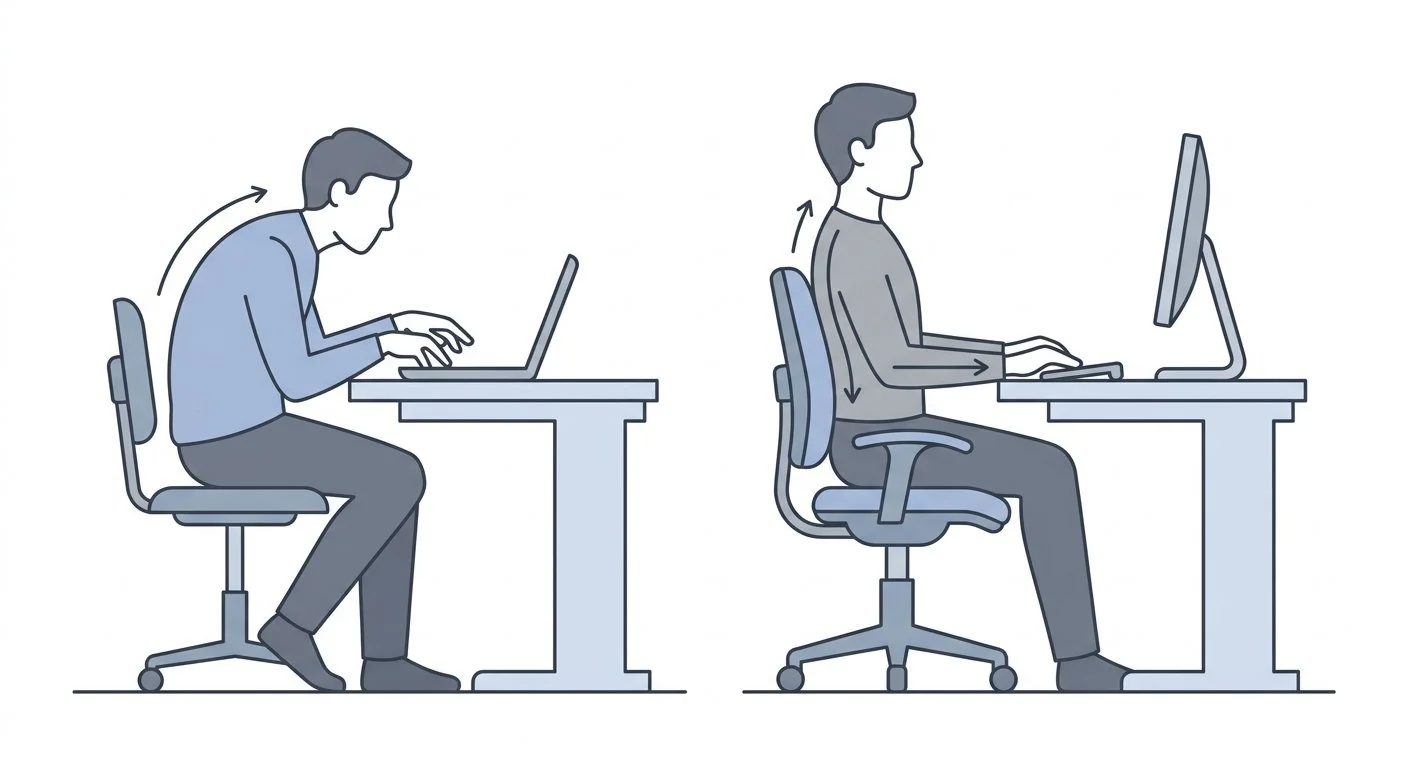
Its that time of year again the wether is cooling off and the kids are going back to school. many of us are returning to our work stations and the postural issues related to those stations. the phrase “if you keep making that face it will stay that way” comes into play again. our work station is the perfect place to loose track of what position our body is in for long periods of time.
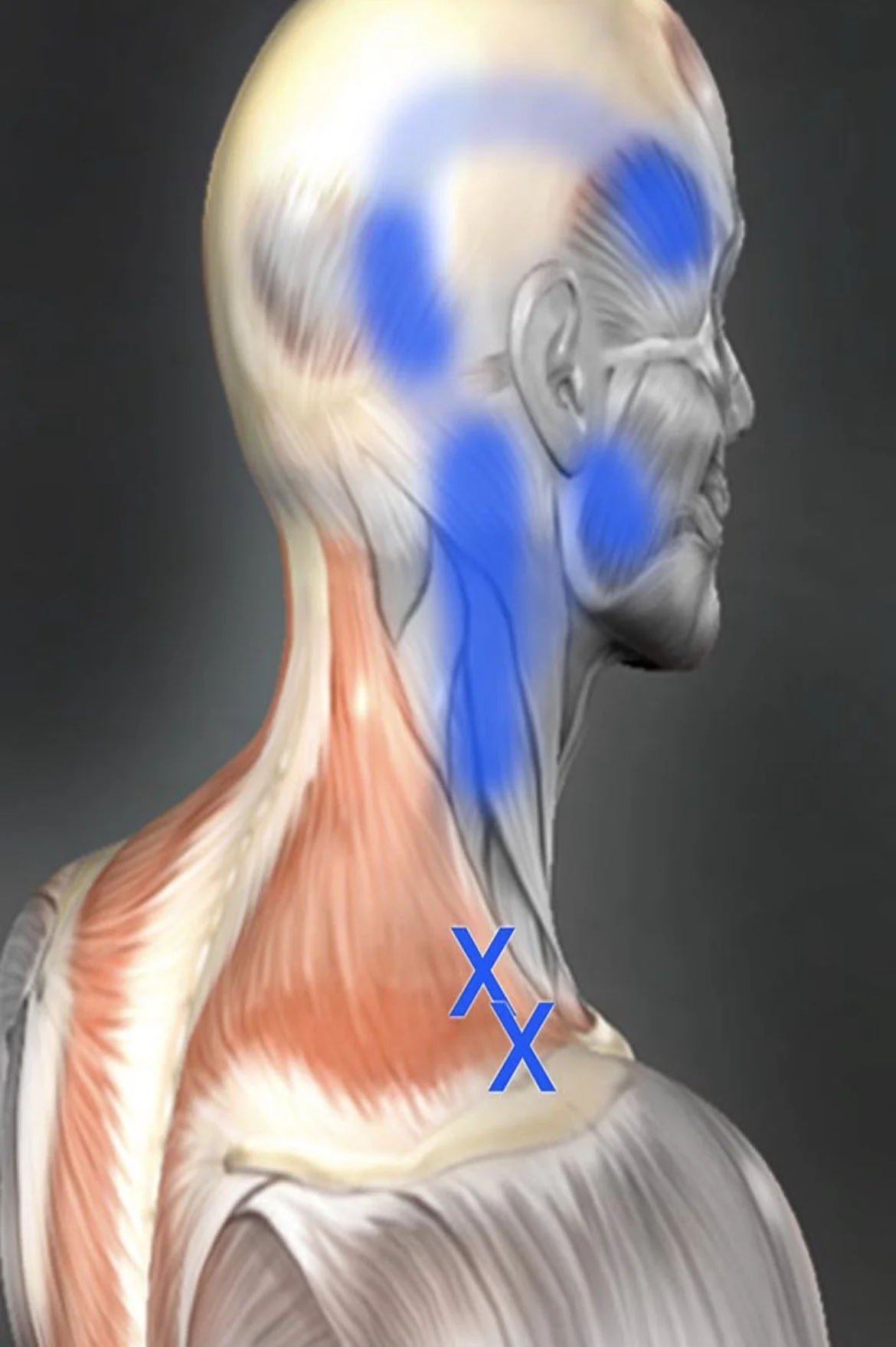
forward shoulder posture :when the key board is to far away: shoulders come forward , to close and our fore arm extensors start to hate life. poor posture when seated at our computer can lead to shortened pectoralis minor and unnecissary stress on the upper trapezius. stressed out upper trap leads to head aches , short pec minor can lead to numbmess and tingling and weakness(thorasic outlet syndrome) .
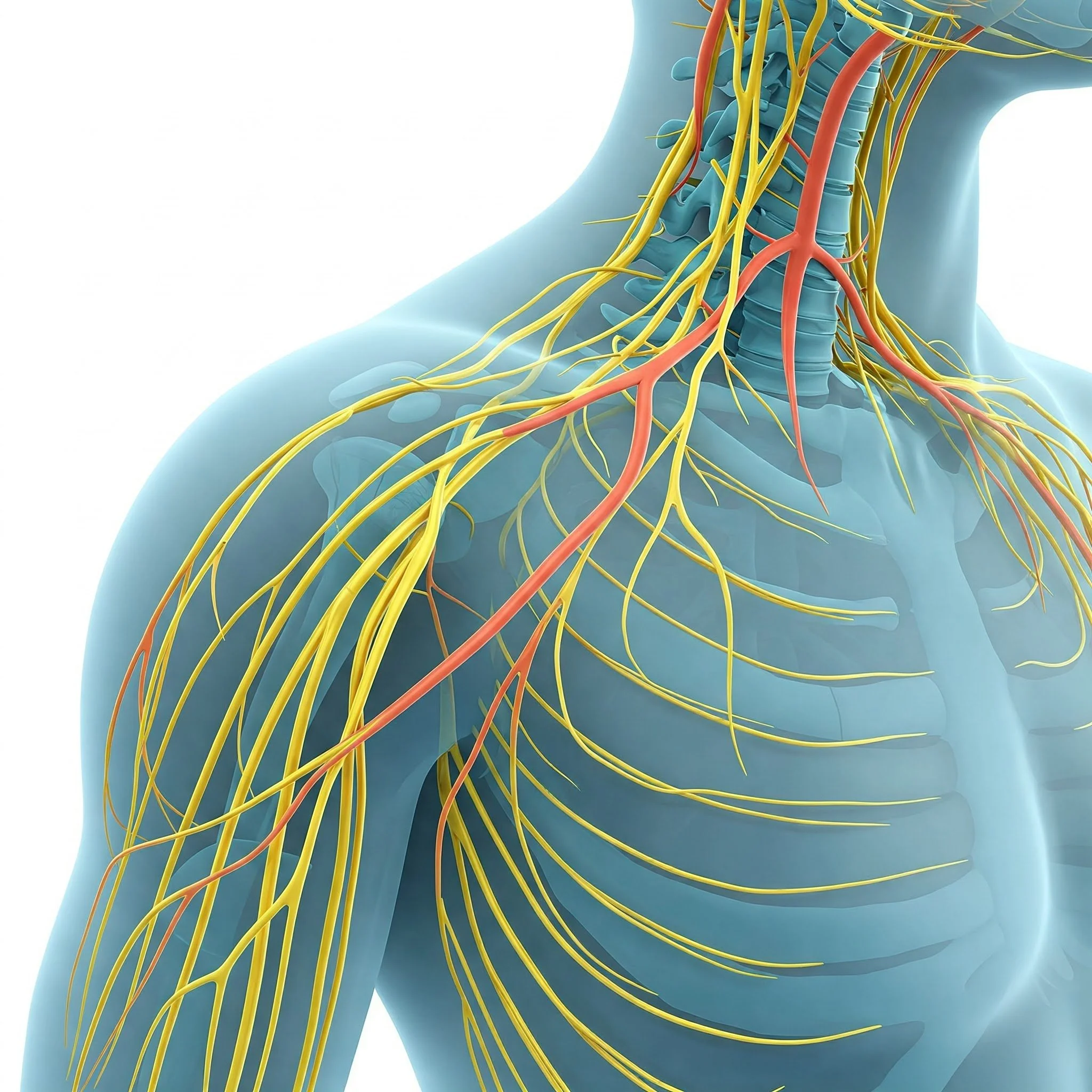
forward head posture: when our shoulders come forward our head often follows. this can be dangerous because it will shorten the scalene muscles that lay ontop of the brachial plexus(nerve bundle that innervates the arm), it also puts an unneeded strain on al of your postural muscles in the spine. a head standing on top of the spine where it is supposed t be puts about 6-10 lbs of pressure ontop of th spine and is distributed in s way that we can carry our head around al day. a head tilted forward 30degrees can put a whopping 60lbs of pressure on the thorascic spine.
here at sam riddle massage we can quickly address the postural issues imediatly target only whats holding the body out of posture and bring things back into balance quickly
Desk Job Neck Pain: How Poor Posture Leads to Headaches, Numbness, and More
As the Madison air turns crisp and backpacks reappear on sidewalks, another seasonal shift happens quietly, at desks and in classrooms across the city: posture starts to slip. Teachers settle back into grading stations, students hunch over laptops between classes, and professionals return from summer's more relaxed schedule to eight-hour stretches in an office chair. That old warning about "making a face and it staying that way" turns out to apply just as well to your neck. Sit slumped forward long enough, and your body starts to believe that's where it belongs. The result, for a lot of Madison teachers, students, and desk-bound professionals, is neck pain that creeps in gradually and then refuses to leave.
If your neck, shoulders, or head have been aching more since the school year started, you don't have to just live with it. Book an appointment with Sam Riddle Massage Therapy and let's find out exactly which muscles are holding your body out of alignment, then get you back into balance.
How Forward Shoulder Posture Fuels Neck and Shoulder Pain
Most desk-related pain doesn't start with the neck at all. It starts at the shoulders, which quietly drift forward every time your setup asks more of you than it should.
Keyboard Distance and Forearm Strain
When your keyboard sits too far away, your shoulders round forward to compensate, and your arms have to reach to keep working. Over weeks and months, this reach pattern overloads the forearm extensors, leaving them tight, fatigued, and prone to overuse injuries.
Shortened Pectoralis Minor and Thoracic Outlet Syndrome
Rounded shoulders shorten the pectoralis minor, a small muscle beneath your collarbone that most people have never heard of until it starts causing problems. A chronically tight pec minor can compress the nerves and blood vessels that pass beneath it, a condition known as thoracic outlet syndrome that produces arm weakness alongside neck and shoulder pain.
Overworked Upper Trapezius and Headaches
While your chest muscles shorten, your upper trapezius works overtime trying to hold your head up against gravity in a compromised position. That constant low-grade tension is one of the most common, and most overlooked, causes of tension headaches in people who sit at a desk all day.
Forward Head Posture: The Domino Effect on Your Spine
Where the shoulders go, the head tends to follow, and forward head posture creates its own chain reaction down the spine and out into the arms.
The Weight of a Tilted Head
A head positioned properly atop the spine weighs roughly ten to twelve pounds and distributes that load efficiently, letting your postural muscles carry it all day without much complaint. Tilt that same head forward by just thirty degrees, though, and the effective load on your cervical and thoracic spine can jump to nearly sixty pounds.
Scalene Muscles and Nerve Compression
Forward head posture shortens the scalene muscles at the front of the neck, which sit directly on top of the brachial plexus, the bundle of nerves responsible for sensation and movement in your arm. When these muscles tighten and compress that nerve bundle, the strain doesn't stay local. It radiates.
Numbness, Tingling, and Carpal Tunnel Confusion
Compression anywhere along that nerve pathway, from the neck down through the shoulder, can produce numbness and tingling that travels all the way to the hand, and it's frequently mistaken for carpal tunnel syndrome originating at the wrist. Understanding where the compression actually starts matters, because treating the wrist alone won't resolve pain that's coming from the neck and shoulder.
Local Solutions for Madison's Desk Workers, Teachers, and Students
Understanding the mechanics of postural pain is useful, but Madison's teachers, students, and professionals need something more practical: a plan that fits into a real schedule and actually addresses the cause.
Why Massage Therapy Targets the Root Cause
At Sam Riddle Massage Therapy, we don't just chase the spot that hurts; we assess the whole postural chain to find which muscles are pulling your body out of position. Releasing a tight pec minor or an overworked upper trap directly can bring noticeable relief far faster than stretching alone.
Who's Most at Risk in Madison
Teachers standing and leaning over desks all day, students hunched over laptops in lecture halls and libraries, and office professionals logging long hours at a keyboard all share the same postural risk factors. If your workday keeps you in one forward-leaning position for hours at a time, you're a prime candidate for the pattern of pain described above.
Building Sustainable Posture Habits
Massage therapy addresses the muscular imbalances that got you here, but lasting relief also depends on small daily habits: adjusting monitor height, keeping your keyboard within easy reach, and taking brief posture breaks throughout the day. If postural strain has you wondering how deeper structural patterns affect pain elsewhere in the body, our post on psoas and beyond explores how similar chain reactions play out below the waist, and our piece on sciatica: true or false clears up a few common myths about nerve-related pain in general.
Ready to Get Out of That Forward-Leaning Posture?
Neck pain, shoulder tension, and the headaches or tingling that come with them aren't something you have to accept as the cost of a desk job or a full class schedule. Whether the culprit is a keyboard set too far away, a monitor sitting too low, or months of gradual postural drift, these patterns are treatable once you know where to look. Sam Riddle Massage Therapy works with Madison teachers, students, and professionals every day to identify exactly which muscles are holding the body out of alignment and to bring lasting, targeted relief. If the start of this school year has your neck and shoulders paying the price, schedule your appointment today and let's get your posture, and your comfort, back on track.