
good vs bad deep tissue
Deep Tissue Massage: What It Should Feel Like — And What It Shouldn't
SEO Notes for Publisher
Primary Keyword: deep tissue massage | Secondary Keywords: neuro muscular therapy, pain relief, restorative, healing, medical massage
Meta Description: Not all deep tissue massage is created equal. Sam Riddle — 27 years of injury-focused experience in Madison, WI — explains the difference between painful technique and truly therapeutic, restorative neuro-muscular therapy.
URL Slug: /deep-tissue-massage-good-vs-bad
If you've ever walked out of a deep tissue massage feeling bruised, or like you'd just survived something rather than been healed by it — you're not alone. For decades, the massage industry operated on a "no pain, no gain" philosophy that left a lot of clients hurting in all the wrong ways. As a licensed massage therapist with 27 years of hands-on experience and 27 years of continuing education focused specifically on injury treatment, I've watched that philosophy evolve — and I've been proud to evolve right along with it. Today at Sam Riddle Massage Therapy, located on the west side of Madison inside Integrated Physical Therapy, I practice what I believe is a smarter, safer, and far more effective approach to deep tissue and neuro-muscular therapy. Let me break down exactly what separates genuinely therapeutic deep tissue massage from the kind that does more harm than good.
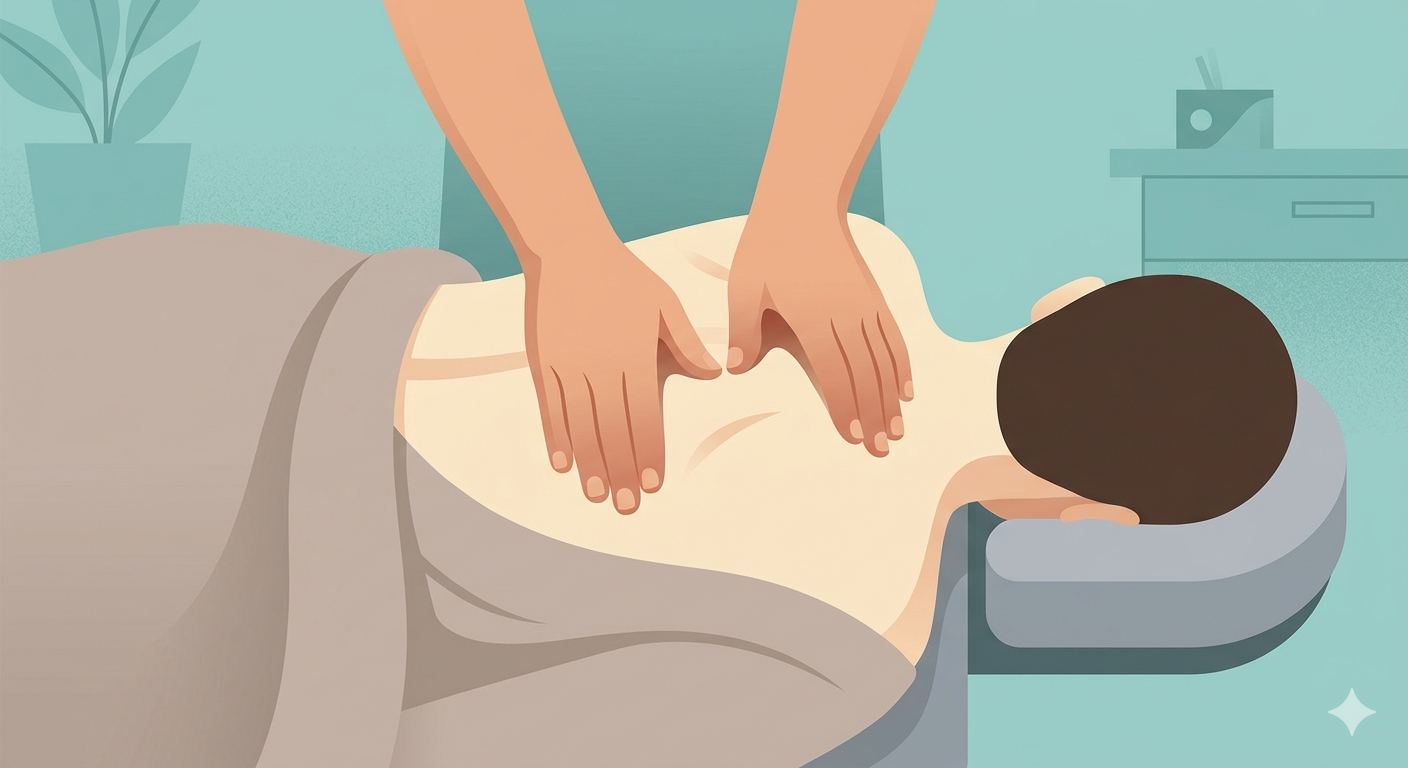
deep tissue can also be relaxing
Ready to experience deep tissue massage done right?
Book your appointment with Sam Riddle at Integrated Physical Therapy, Madison, WI.
The Old Way: Why "No Pain, No Gain" Deep Tissue Massage Is Bad for You
Twenty-seven years ago, when I first started massage school, deep tissue work had a very different reputation. The harder you pressed, the better the therapist — or so the thinking went. Techniques that today would be considered borderline brutal were considered best practice. Even some of my most respected instructors taught methods they'd probably wince at now. I still remember the course material vividly, even if those same instructors might prefer to forget they ever taught it. Looking back, a lot of what passed as "therapeutic" was actually working against the body rather than with it. Understanding why matters — because that outdated model is still out there, still being practiced, and still sending clients home sore and skeptical of massage altogether. Here's why that approach falls short.
It Triggers a Fight-or-Flight Response
When a massage applies force too quickly or too aggressively, your nervous system doesn't interpret it as healing — it interprets it as a threat. Your brain shifts into a protective fight-or-flight state, flooding your body with stress hormones and causing muscles to brace rather than release. Think about it: how many of us can truly relax a tense muscle when the brain believes it's being attacked? Pain relief becomes impossible when the body is on high alert. The endorphin response that comes with aggressive pressure can create a temporary sense of relief, but underneath, the nervous system has been pushed into a defensive state that can take days to fully settle.
It Bypasses Neurological Response Time
Tissue under pressure needs time to neurologically process and respond to what's being asked of it. Bad deep tissue massage works with such speed and force that the muscles and connective tissue simply don't have that window. The result? The tissue reacts defensively rather than cooperatively, and the healing opportunity is wasted. Every muscle in the body — its tension, its ability to contract, and its capacity to relax — is regulated by the nervous system. Override that system with brute force and you've essentially bypassed the very mechanism responsible for lasting change. Speed, in this context, is not efficiency. It's just damage.
It Can Cause Real Physical Harm
Grinding on tendon attachments, applying excessive pressure to vascular structures just beneath the skin, and leaving clients with bruising are not signs of effective deep tissue massage — they're signs of dangerous technique. The delicate network of blood vessels and nerve tissue living directly under the skin does not benefit from being crushed, even if the endorphin rush in the moment makes it feel productive. Bruising after a massage is never a badge of honor; it is evidence of tissue injury. Beyond bruising, aggressive technique can inflame already irritated structures, disrupt the lymphatic system, and send the nervous system into a state of protective tension that is the exact opposite of what you came in for. More pressure is not always more therapeutic. In many cases, it's simply more harmful.
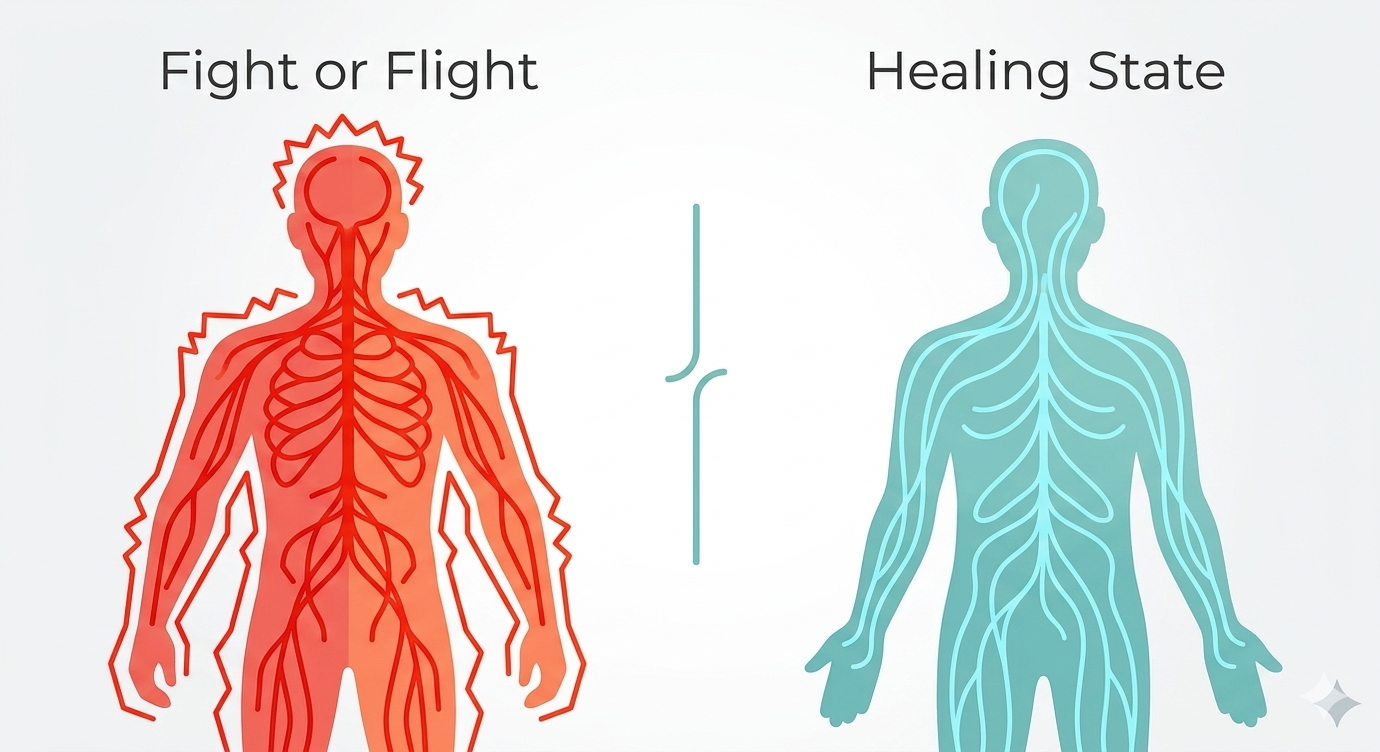
A startled or fearful nervous system does not respond well to touch. It is like scaring the crap out of someone then telling them to just relax…
The New Standard: Client-Led Neuro-Muscular Therapy and the "Good Hurt"
Good deep tissue massage — the kind that produces real, lasting pain relief — looks and feels very different. At the core of my practice is a neuro-muscular therapy approach that treats your nervous system as a partner, not an obstacle. The results are more immediate, more profound, and far more likely to last. Here's what that looks like in practice.
You Control the Pressure — Always
The single most important thing that separates my approach from outdated deep tissue technique is this: you, the client, are always in charge of the pressure. I apply pressure very slowly to the affected area, and you tell me exactly where to hold. Your pain threshold isn't a weakness to push through — it's critical diagnostic information. The moment you're the one setting the boundary, your nervous system shifts from defensive to cooperative, and that's when real healing can begin.
Slow Pressure + Gentle Muscle Engagement = Faster Results
Once we've found the right pressure point together, I often guide you to very gently engage the muscle we're working on. This combination — slow, sustained pressure paired with active participation from the muscle itself — is the cornerstone of effective neuro-muscular therapy. It allows us to work through all the tissue layers with that "good hurt" feeling: the kind that reads as productive rather than panicked. The tissue has time to respond, neurologically accept the input, and begin to release.
The Effects Are Immediate — And They Last
Because this restorative approach works with your nervous system rather than forcing it into submission, the results tend to come faster and hold longer than traditional aggressive technique. Clients often notice a significant change within the session itself. And because we haven't traumatized the tissue to get there, the body doesn't spend the next few days recovering from the massage — it simply continues the healing process. That's what good, restorative massage should feel like: a conversation between therapist and body, not a battle.
Finding the Right Massage Therapist in Madison: What Sets Sam Riddle Apart
If you're searching for a new massage therapist — especially one who specializes in deep tissue or medical massage for injury recovery — knowing what to ask and what to watch for can save you a lot of pain, literally. Not every therapist who lists "deep tissue" as a specialty has been trained in or adopted modern, evidence-informed techniques. And not every therapist treats injury with the same depth of focus. Here's what genuinely distinguishes one therapist from another, and why those distinctions matter for your healing.
Patience Is a Clinical Skill
What separates effective therapeutic massage from the rest isn't just technique — it's patience. Rushing through tissue doesn't produce results; it produces resistance. At Sam Riddle Massage Therapy, patience isn't a personality trait I happen to have. It's a deliberate clinical decision built into every session. I move slowly, I listen carefully, and I never push past what your body is telling me. A therapist who hurries through a session — who relies on brute force to make up for the time they're not taking — is not serving your nervous system. They're working against it. You deserve a therapist who treats your body's pace as the right pace.
27 Years of Practice and Injury-Focused Continuing Education
Experience matters enormously in massage therapy, but only when it's paired with ongoing learning. Over 27 years, I've logged not just hours on the table but hours in the classroom — continuously updating my knowledge through continuing education courses focused specifically on injury treatment and rehabilitation. The field of neuro-muscular therapy and medical massage has changed dramatically in that time, and I've changed with it. The techniques I use today are far safer, more targeted, and more effective than what I was taught in school — precisely because I never stopped learning. When you work with a therapist who has that depth of experience, you're not getting a generic session. You're getting 27 years of refined, injury-specific expertise applied directly to your unique situation.
What Is Medical Massage — And Do You Need It?
Medical massage is a term that refers to massage therapy that is specifically targeted toward treating a diagnosed condition, injury, or area of chronic pain — rather than general relaxation. It's outcome-based, meaning each session has a defined therapeutic goal. Not every massage therapist is trained to practice at this level. Medical massage requires a therapist to understand anatomy, injury mechanics, and how the nervous system responds to both trauma and treatment. At Sam Riddle Massage Therapy, every session is approached with that medical mindset. Whether you're recovering from a sports injury, managing chronic pain, or working through soft tissue damage, the work I do is designed to support your body's healing — not just help you relax for an hour. If you've never experienced injury-focused massage, the difference is striking.
You Should Leave Feeling Better, Not Worse
This sounds obvious, but it's worth saying plainly: you should never walk out of a healing massage session feeling beaten up. Some mild soreness in a well-worked muscle the next day is perfectly normal — similar to how you might feel after a productive workout. Bruising, extreme fatigue, or a sense of nervous system overwhelm is not. If your past experience with deep tissue massage has left you dreading a repeat, that's not a sign that massage isn't right for you. It's a sign that the technique wasn't right for you. A therapist who combines patience, deep injury-specific knowledge, and a client-led approach will give you an entirely different experience — one you'll actually want to come back for.

located on the west side of Madison at 313 Junction road inside integrated PT
The Bottom Line on Deep Tissue Massage
Deep tissue massage, done right, is one of the most powerful tools available for genuine pain relief, injury recovery, and long-term muscle health. Done wrong, it's an experience you won't want to repeat. After 27 years in practice — and 27 years of continuing education focused on treating injury — my philosophy remains simple: every person who gets on my table has a unique nervous system, a unique pain threshold, and a unique healing journey. My job isn't to overpower your muscles into submission. It's to work with your body's own intelligence, with patience and precision, to help it let go. That's what neuro-muscular therapy is all about. That's what restorative, healing massage feels like. And that's exactly what you'll find when you visit Sam Riddle Massage Therapy on Madison's west side, inside Integrated Physical Therapy.
Experience the difference. Book your session today.
Sam Riddle Massage Therapy | West Madison | Inside Integrated Physical Therapy